Boat vs. Cable: Where Will You Ride?
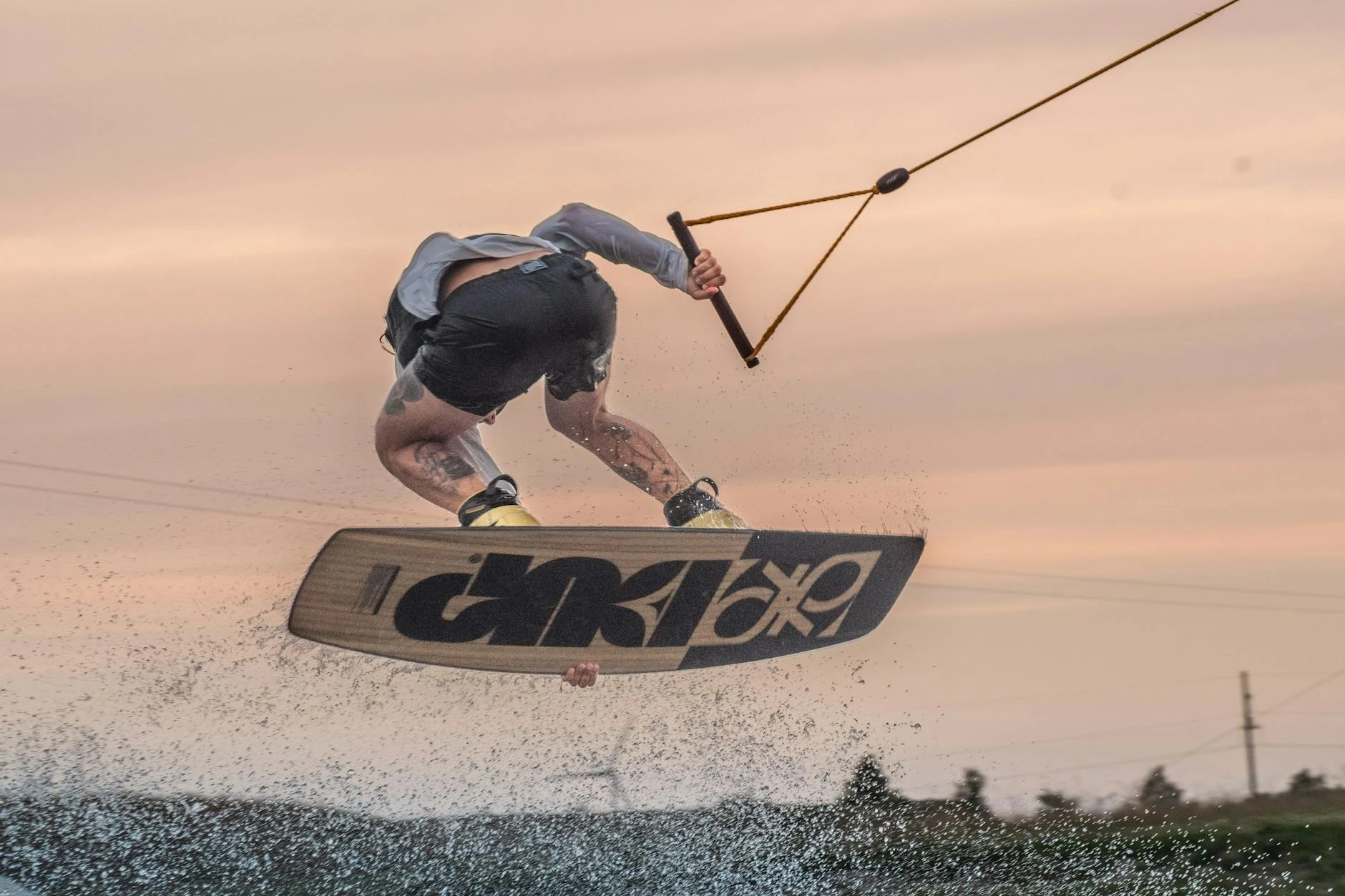
Boat Wakeboarding
Cable Wakeboarding
Hybrid Boards
Match Your Board to Your Skill Level
01
Beginner Boards
Look for stable, forgiving boards with mellow 3-stage or continuous rockers. Asymmetrical boards can actually aid the learning process by making certain movements more intuitive.
02
Intermediate Boards
Balance stability with performance characteristics. Boards with moderate rockers and good pop are suitable as you progress beyond the basics and start attempting more advanced manoeuvres.
03
Advanced Boards
Seek boards designed for high performance, often lighter and stiffer, with aggressive rockers for quick response and advanced tricks. These boards prioritise precision over forgiveness.
Understanding Rocker Profiles
Continuous Rocker
3-Stage Rocker
Hybrid Rocker
Beyond the Basics: Flex, Materials, and Bindings
Flex and Stiffness
Stiffer Boards offer superior control, stability, and speed, ideal for advanced riders and aggressive performance. They provide better pop off the wake for aerial tricks.
Flexier Boards are better suited for beginners, absorbing impacts for a softer, more forgiving ride. They're also excellent for jibbing on rails in cable parks.
Core Construction
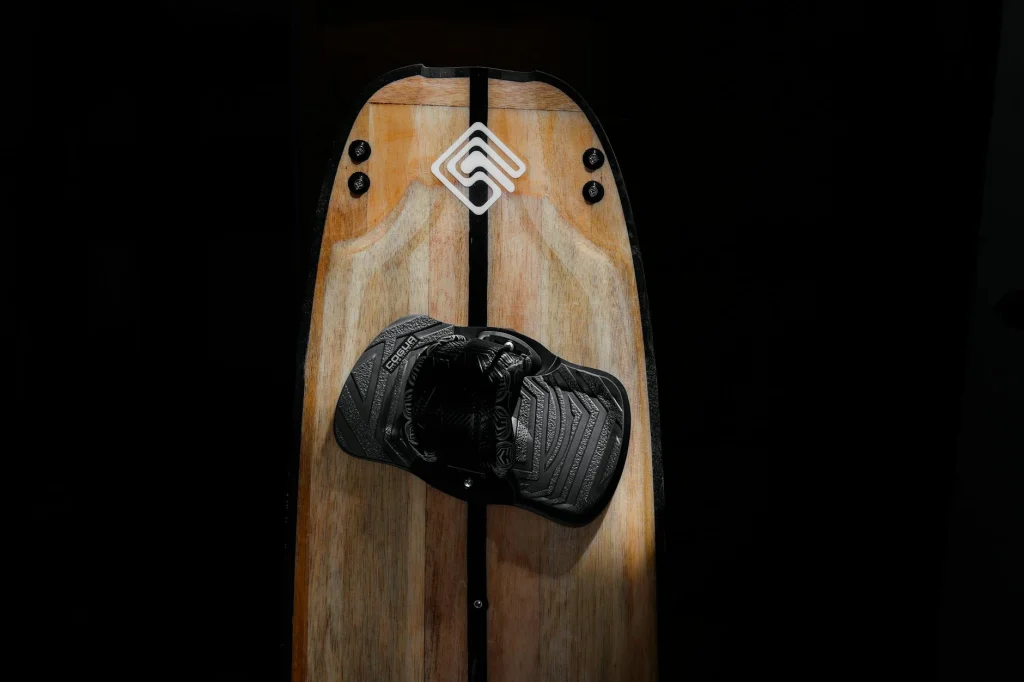
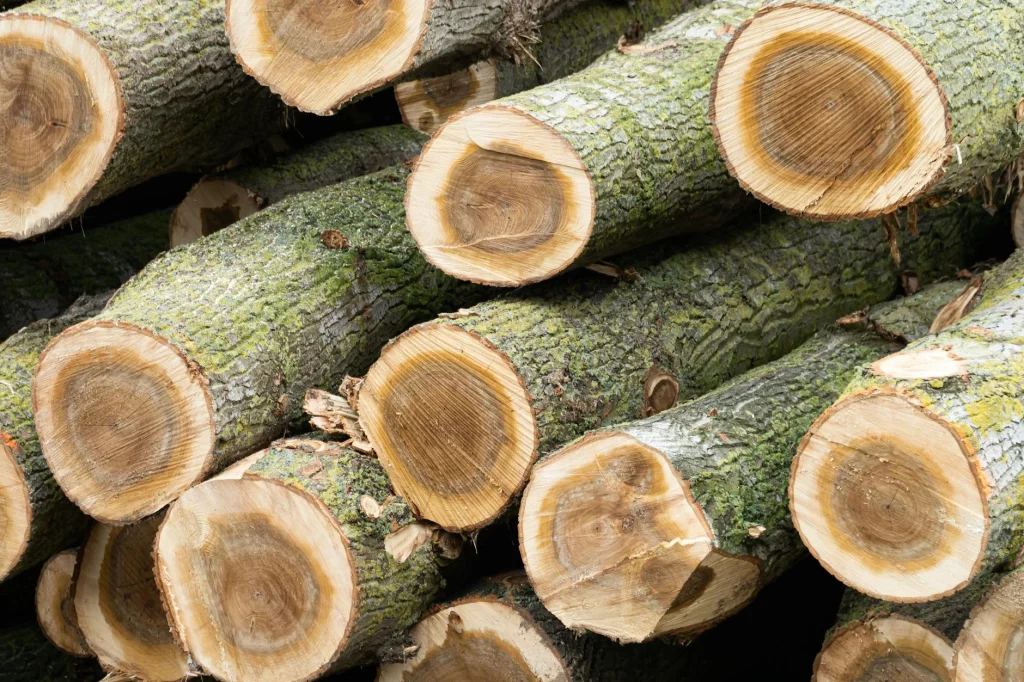
Most boards feature either foam or wood cores. Wood cores are often preferred by experienced riders for their durability and natural flex characteristics.
Foam cores are lighter, aiding in jumps and aerial performance. Beginners should start with standard boards offering stability before progressing to specialised constructions.
Fins and Channels
Fins provide stability and directional control, with deeper fins offering more control for beginners learning proper technique. Channels in the base can offer additional support and tracking.
Cable boards often feature removable fins or no fins at all to avoid damage when sliding on rails and obstacles in the park environment.
Bindings
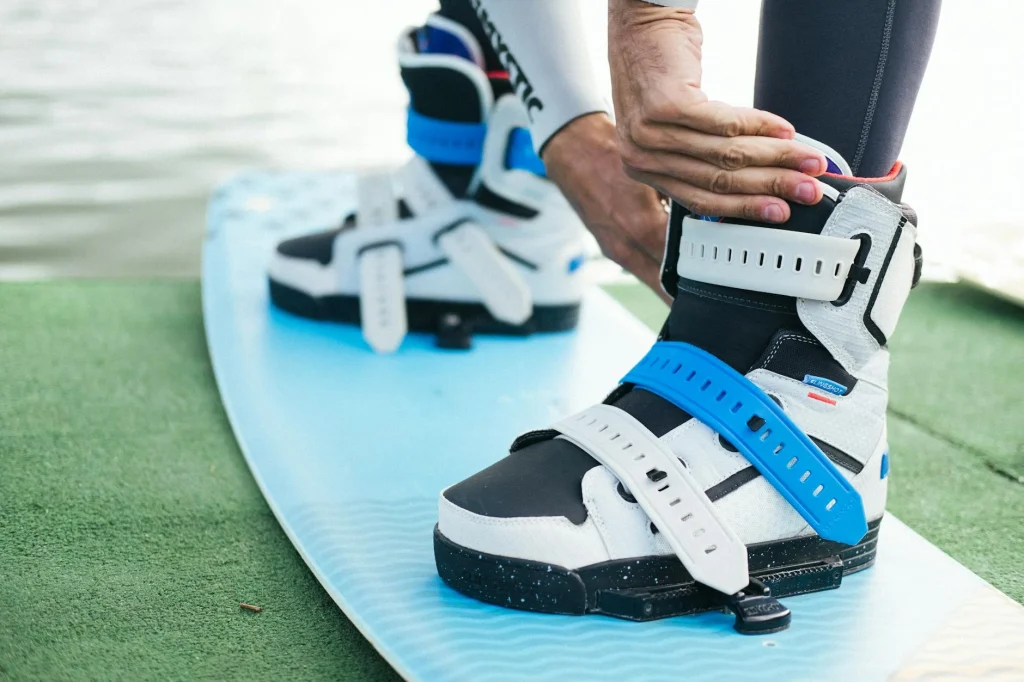
Ensure a snug but comfortable fit that secures your feet without causing discomfort. Open-toe bindings are adaptable across different foot sizes, while closed-toe bindings offer superior grip and control.
Proper binding placement (stance width and angle) is crucial for manoeuvrability and should be adjusted based on your riding style and comfort preferences.